Hormuz Strait news has become an important international topic because of its connection to global oil supplies, international shipping, and Middle Eastern security. The Strait of Hormuz is one of the world’s most strategically important waterways, connecting the Persian Gulf with the Gulf of Oman and the Arabian Sea.
In November 2026, tensions involving Iran, the United States, and regional countries have created serious challenges for commercial shipping. Recent tanker attacks, reduced vessel movements, diplomatic negotiations, and changing oil prices have made the situation particularly important for governments, businesses, and international energy markets.
1. What Is the Strait of Hormuz and Why Is It Important?
The Strait of Hormuz is a narrow maritime passage located between Iran to the north and Oman and the United Arab Emirates to the south. It provides an essential shipping connection between the Persian Gulf and international waters.
The waterway is particularly important because major oil and natural gas producers depend on it to transport energy products to international customers. Countries including Saudi Arabia, Iraq, Kuwait, Qatar, the UAE, and Iran rely on regional maritime routes for important exports.
Before the 2026 conflict, approximately one-fifth of global oil and liquefied natural gas shipments passed through this strategic waterway. Any major disruption can therefore affect international energy markets, transportation costs, and global supply chains.
2. Latest Hormuz Strait News – November 2026
The latest Hormuz Strait news indicates that commercial shipping continues to face serious security challenges. On November 11, Reuters reported that vessel movements had slowed following attacks on tankers and difficulties in US-Iran negotiations.
According to shipping data reported by Reuters, five commodity vessels crossed the strait on Saturday, while no crossings were recorded on Sunday. These figures demonstrate how significantly security concerns are affecting commercial maritime activity.
Another important development involves reported attacks on vessels operating near Oman. Iran’s Revolutionary Guards have made claims about tanker incidents involving unauthorised routes, while maritime authorities and independent reporting continue to assess individual events.
The situation remains fluid, and reports from different governments and shipping organisations do not always provide identical figures. Readers should distinguish between confirmed incidents, official claims, and independently verified information.
3. Iran, the United States and Rising Regional Tensions
The relationship between Iran and the United States remains central to developments around the Strait of Hormuz. Disagreements over maritime security, military operations, sanctions, and control of shipping routes have complicated efforts to restore normal commercial activity.
Iran has argued that its security interests and conditions must be considered in any arrangement concerning the waterway. Meanwhile, the United States has maintained pressure through maritime security operations and restrictions involving Iranian shipping.
Diplomatic efforts involving regional countries, including Oman, have also attracted attention. However, negotiations have not yet produced a lasting arrangement that restores confidence among international shipping companies.
On November 10, the Associated Press reported that US Secretary of State Marco Rubio called on other countries to contribute to protecting commercial shipping. The issue demonstrates how the security of Hormuz has become an international concern rather than simply a regional dispute.
4. How the Hormuz Strait Crisis Affects Oil Prices
One of the biggest reasons people follow Hormuz Strait news is its potential impact on global oil prices. When shipping becomes uncertain, energy traders consider the possibility of supply disruptions, higher transportation costs, and increased insurance premiums.
On November 11, Reuters reported that Brent crude was trading around $92.20 per barrel, while US West Texas Intermediate was around $86.53 in early trading. Prices had recovered after falling to two-month lows amid changing expectations about the conflict.
However, oil prices are influenced by several factors, including production levels, global demand, inventories, geopolitical developments, and shipping conditions. Therefore, every movement in oil prices cannot be attributed to the Strait of Hormuz alone.
For countries that depend heavily on imported energy, prolonged disruption could increase fuel costs and create additional economic pressure. Businesses involved in transportation, manufacturing, and international trade may also experience higher operating expenses.
5. Impact on International Shipping and Global Trade
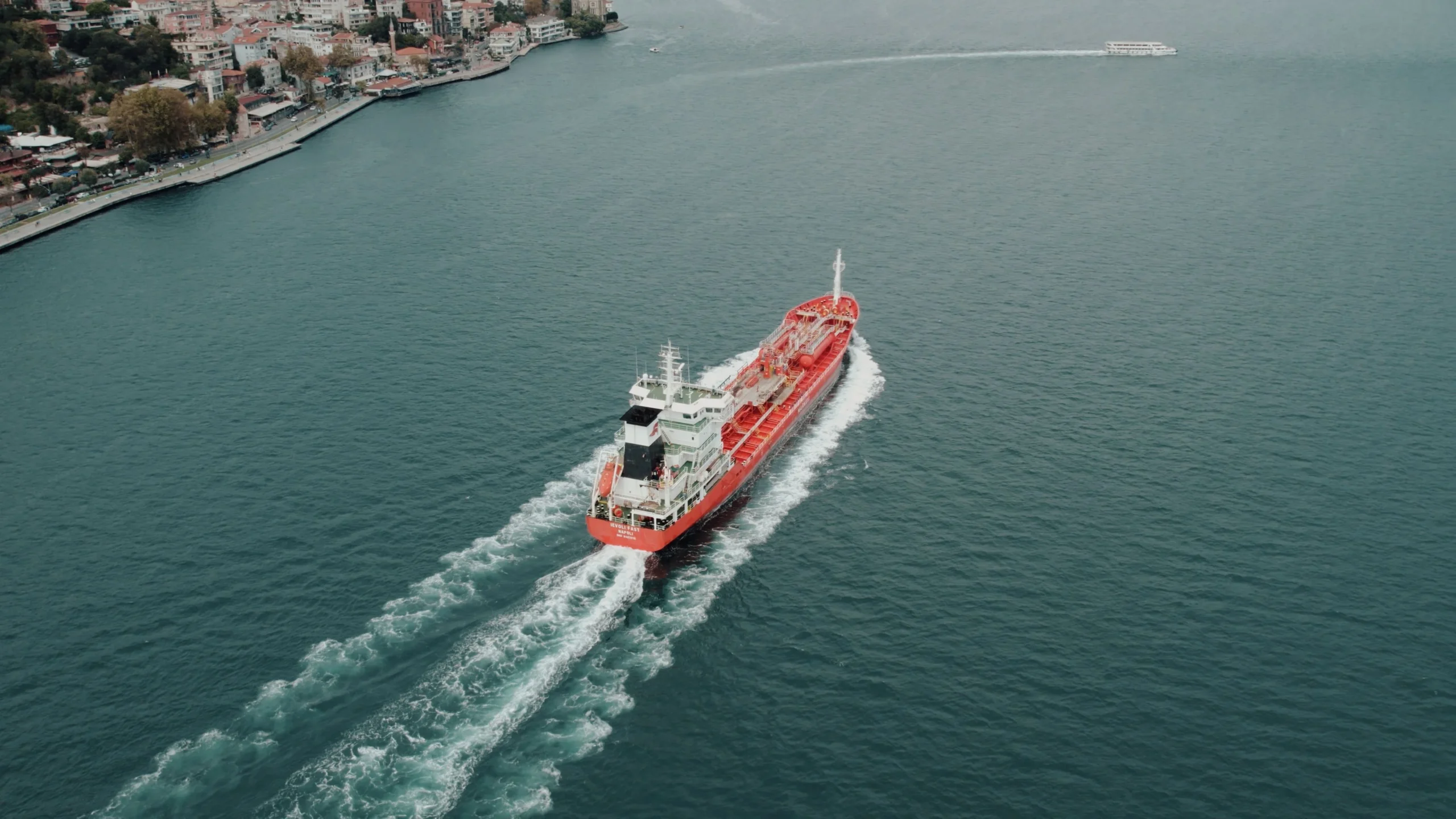
The Strait of Hormuz is essential for international maritime transportation. Oil tankers, LNG carriers, and other commercial vessels use the passage to transport important products between Middle Eastern producers and international markets.
Recent attacks and security warnings have encouraged shipping companies to reconsider their routes and operational decisions. Some vessels have delayed journeys, while others have faced additional insurance and security requirements.
According to the November 10 reporting by Gulf News, UK Maritime Trade Operations data showed that shipping remained substantially below pre-conflict levels. The organisation also reported continuing maritime security incidents in the surrounding waters.
The International Maritime Organization is monitoring the situation and maintaining information about verified incidents involving commercial vessels and seafarers. Protecting civilian crews and maintaining safe navigation remain major international priorities.
6. Latest LNG and Energy Export Developments
Liquefied natural gas, commonly known as LNG, is another important part of the Hormuz Strait story. Qatar is a major international LNG exporter, and its shipments depend on safe maritime access through the waterway.
Interestingly, Reuters reported on November 10 that 31 loaded LNG tankers exited the Strait of Hormuz during October. This was the highest monthly total since the US-Iran conflict disrupted shipping in February 2026.
The October figure represented an improvement compared with September, when 23 loaded LNG tankers were recorded exiting the strait. However, the latest tanker attacks and renewed shipping restrictions create uncertainty about whether this recovery can continue.
Energy companies and international buyers are therefore watching shipping movements closely. Any prolonged disruption could influence LNG availability, transportation expenses, and energy prices in different markets.
7. What Could Happen Next in the Hormuz Strait?
The future of the Strait of Hormuz depends largely on regional security, diplomatic negotiations, and the willingness of commercial shipping companies to resume normal operations.
A successful diplomatic agreement could improve confidence among shipowners and insurers. However, restoring normal traffic may take time because security assessments, damaged infrastructure, and possible maritime hazards must also be addressed.
If tensions continue, international shipping could remain restricted, increasing uncertainty for energy exporters and importers. Governments and international organisations will also face pressure to protect commercial vessels and prevent further escalation.
For the latest developments, readers should follow Reuters, the Associated Press, the International Maritime Organization, and the UK Maritime Trade Operations. Comparing multiple reliable sources is important because information can change rapidly during an international crisis.
Frequently Asked Questions About Hormuz Strait News
1. What is the latest Hormuz Strait news in November 2026?
The latest reports indicate reduced commercial shipping activity following tanker attacks and stalled US-Iran diplomatic discussions. Shipping conditions remain uncertain as of November 11, 2026.
2. Where is the Strait of Hormuz located?
The Strait of Hormuz is located between Iran and the northern coast of Oman, connecting the Persian Gulf with the Gulf of Oman and the Arabian Sea.
3. Why is the Strait of Hormuz important for oil supplies?
It is a major international energy shipping route through which approximately one-fifth of global oil and LNG shipments passed before the 2026 conflict.
4. How does the Hormuz crisis affect oil prices?
Shipping disruptions can increase concerns about energy supply shortages, transportation expenses, and insurance costs. These factors may contribute to fluctuations in international crude oil prices.
5. Is the Strait of Hormuz open or closed in November 2026?
The situation is not accurately described by a simple open-or-closed label. Some vessels have continued to transit, but commercial traffic remains significantly disrupted and security risks are high.
6. Which countries are most affected by Hormuz Strait disruptions?
Major energy exporters and importers connected to Gulf shipping routes can be affected. These include Qatar, Saudi Arabia, Iraq, Kuwait, the UAE, Iran, and international customers in Asia and other regions.
7. Where can I find reliable Hormuz Strait news updates?
You can follow Reuters, Associated Press, the International Maritime Organization, and UK Maritime Trade Operations for international reporting, verified maritime incidents, and shipping security updates.
Conclusion
Hormuz Strait news remains a major international issue in November 2026 because of its connection to global energy supplies, maritime security, and international trade. Recent tanker attacks, reduced shipping movements, and uncertainty surrounding US-Iran negotiations have increased concerns about the future of this strategic waterway.
Although October recorded an improvement in LNG tanker movements, the latest developments show that commercial shipping conditions remain fragile. Oil prices, energy exports, transportation expenses, and international supply chains may continue to respond to developments in the region.
For readers, investors, and businesses, following reliable news sources is essential to understanding the situation. The future of the Strait of Hormuz will depend on diplomatic progress, maritime safety, and efforts to restore confidence in international shipping.